What makes an experience worth attending, remembering, and investing in?
At IMEX America 2026 in Las Vegas, conversations with hospitality partners and industry peers pointed to a consistent idea: the most effective experiences aren’t necessarily the ones that offer the most. They are the ones who make deliberate choices about what matters to attendees, where technology adds value, and what the experience should achieve for the business.
Hospitality Investment Is Creating New Possibilities
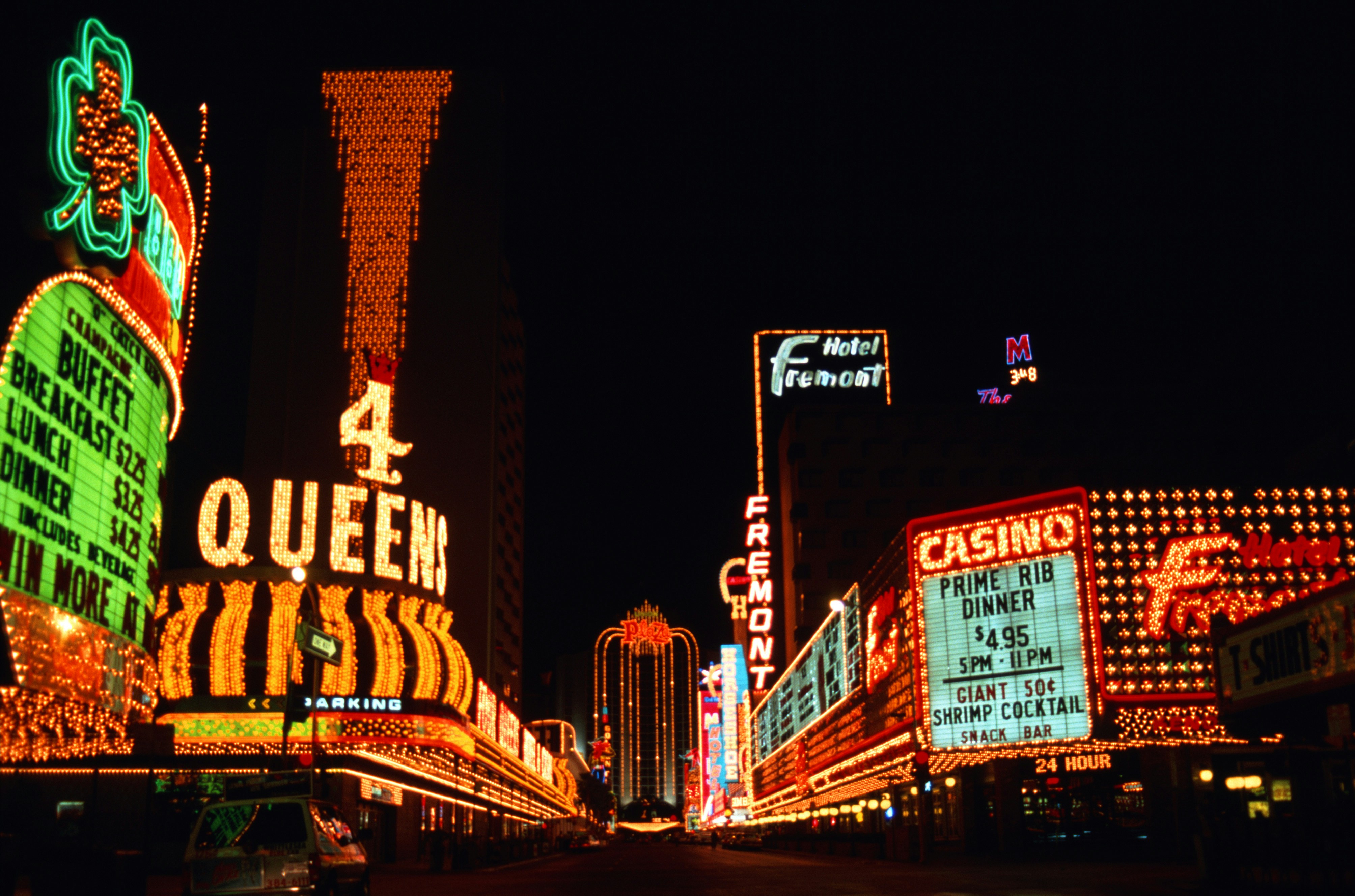
Conversations with hospitality partners indicated plans for development, renovation, and repositioning extending through 2027–2029.The broader U.S. market tells a similar story: according to Lodging Econometrics, the renovation and brand conversion pipeline totaled 2,041 projects and 251,909 rooms at the end of Q3 2026.
For planners, investment in new and refreshed properties could expand the options for future programs. It also raises more strategic questions: Which destinations suit the audience? How will a space support the format and purpose of the event? And which developments are worth keeping on the radar now, even if a program is still years away? More choice is valuable when it leads to a better fit.
Personalization Is About Relevance, Not Just Customization
From custom hat bars and embossed leather goods to hand-painted items and wellness offerings, interactive gifting was a recurring theme at IMEX. These experiences invite attendees to participate in creating something personal rather than simply receiving another branded item. That small shift—from giveaway to choice—can make an interaction more engaging and memorable.
The broader lesson goes well beyond gifting. Attendees want to understand what is relevant to them, whether that means the right content, useful connections, or flexibility in how they participate. For brands, personalization should begin with an understanding of audience needs, not with a list of customizable extras.
Memorable Experiences Require Intentional Design
A Webby Awards session at IMEX highlighted the influence of an experience’s peak and final moments. This reflects the peak-end principle: our overall impressions are often shaped disproportionately by the most emotionally significant point and by how an experience ends. For planners, it’s a compelling reason to question whether a packed agenda is always the best one.
A memorable high point doesn’t have to be elaborate. It could be an unexpected interaction, a conversation that changes someone’s perspective, or a shared experience that draws people together. An effective closing can then reinforce the central message and give attendees a clear next step. Both deserve attention early in the design process, not just when the agenda is nearly complete.
Technology Should Remove Friction, Not Add Complexity
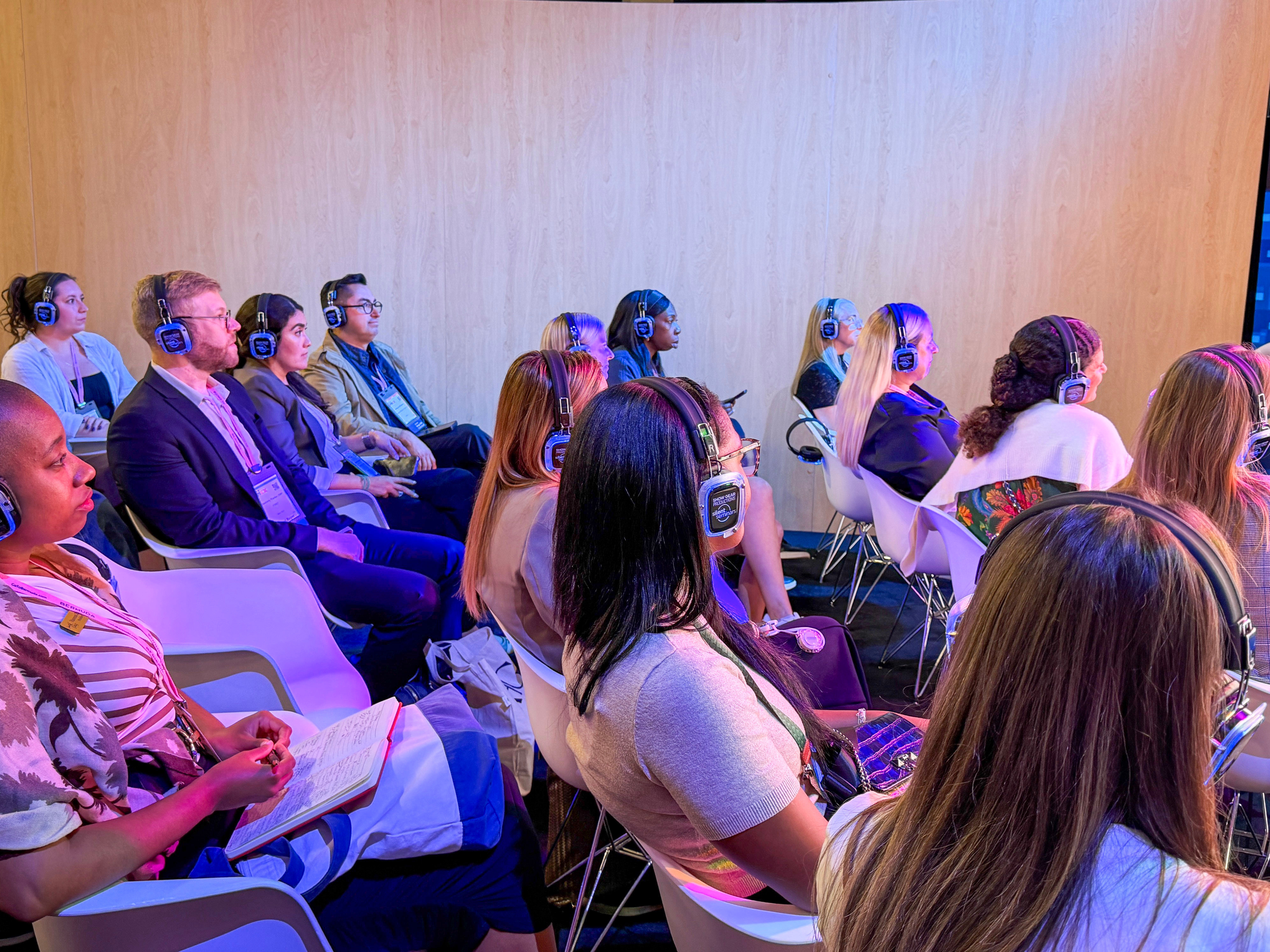
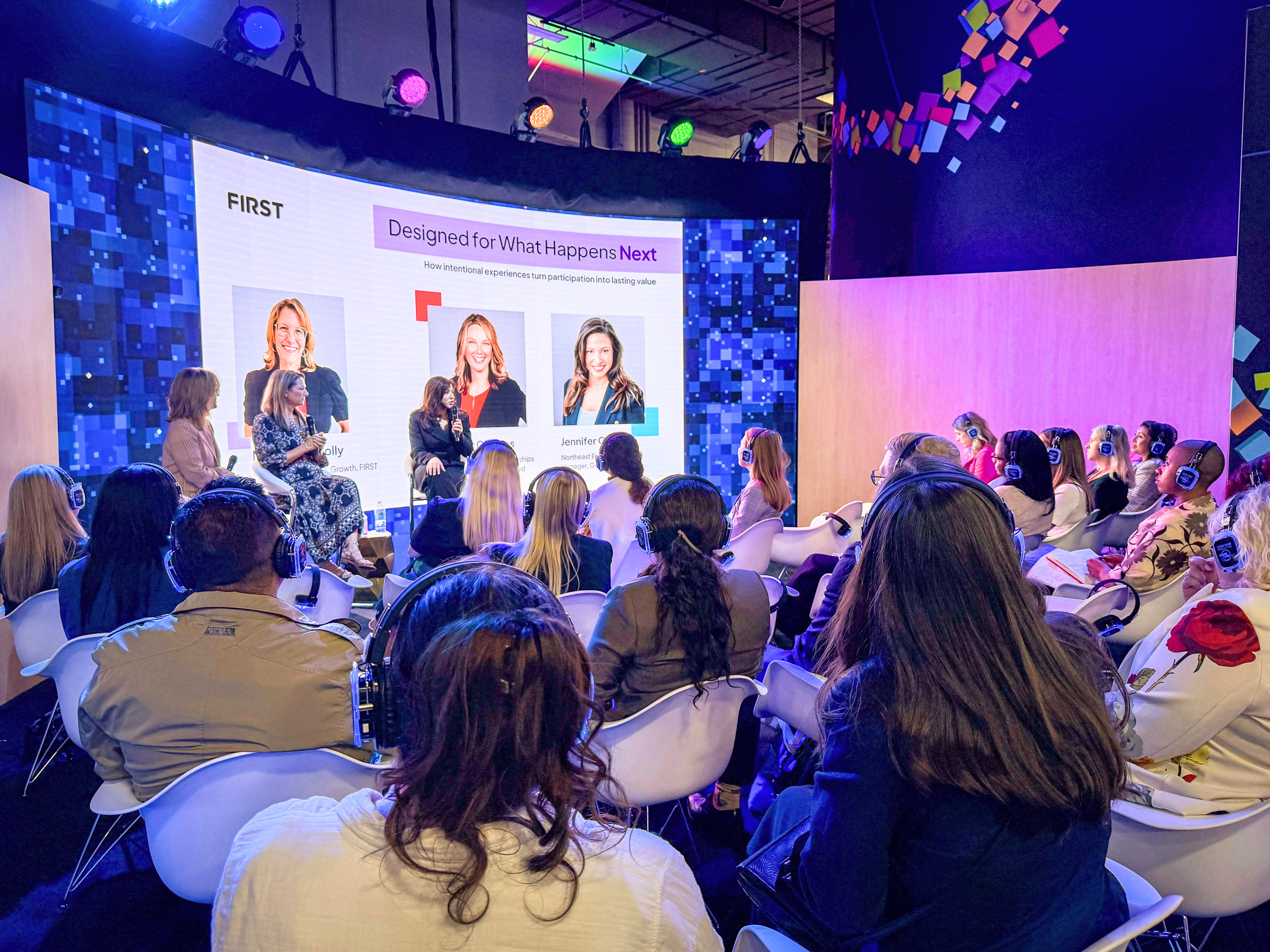
Some of the most useful technology at IMEX addressed straightforward attendee needs. Headphone-based listening helped people follow sessions on a busy trade show floor, while Snapsight provided live transcription and post-session summaries on the stages. Rather than adding spectacle, these tools offered practical ways to make content easier to access, revisit, and retain.
The role of technology also begins before an attendee arrives. As AI-assisted search becomes another route to finding information, organizers need to make the value of an event easy to understand. Clear descriptions of sessions, speakers, exhibitors, and intended audiences help people evaluate whether an event is relevant to them. Accurate, accessible information matters more than chasing a new discovery trend.
The same thinking applies across the attendee journey. Registration, pre-event communications, arrival, wayfinding, session access, and follow-up each present opportunities to remove unnecessary friction. Technology works best when it makes those interactions easier while leaving more room for human connection.
The Measure of Success Is the Value Created
Taken together, these ideas raise an important question for brands: where will an investment make the greatest difference? Attendance and engagement remain useful signals, but neither can establish on its own whether an experience advanced the relationships, learning, perceptions, or actions that matter to the business.
That evaluation starts before the event. A relationship-building program should be designed around the quality of interactions, not just the number of introductions. A learning-focused event needs content that people can access and use afterward. And a program intended to influence perceptions or behavior needs a way to assess whether anything changed. Clear objectives give creative, hospitality, and technology decisions a shared purpose.
What We Bring Back From IMEX
Perhaps the clearest takeaway from IMEX is that intentionality is becoming a more useful measure of experience design than complexity. The opportunity isn’t to incorporate every new idea, venue, or technology. It’s to identify which choices will make an experience more relevant, easier to navigate, and more effective for the people and organizations it serves.
That is the perspective we’re bringing back to our work at FIRST: start with the audience and the business objective, then build the experience around both.
Thank you to the partners, peers, and industry colleagues who shared their ideas and perspectives with us in Las Vegas. We look forward to continuing the conversations.
Source: Lodging Econometrics, Q3 2026 U.S. Hotel Construction Pipeline Trend Report (October 26, 2026): https://lodgingeconometrics.com/q3-2026-united-states-hotel-construction-pipeline-press-release/.
Engage with FIRST