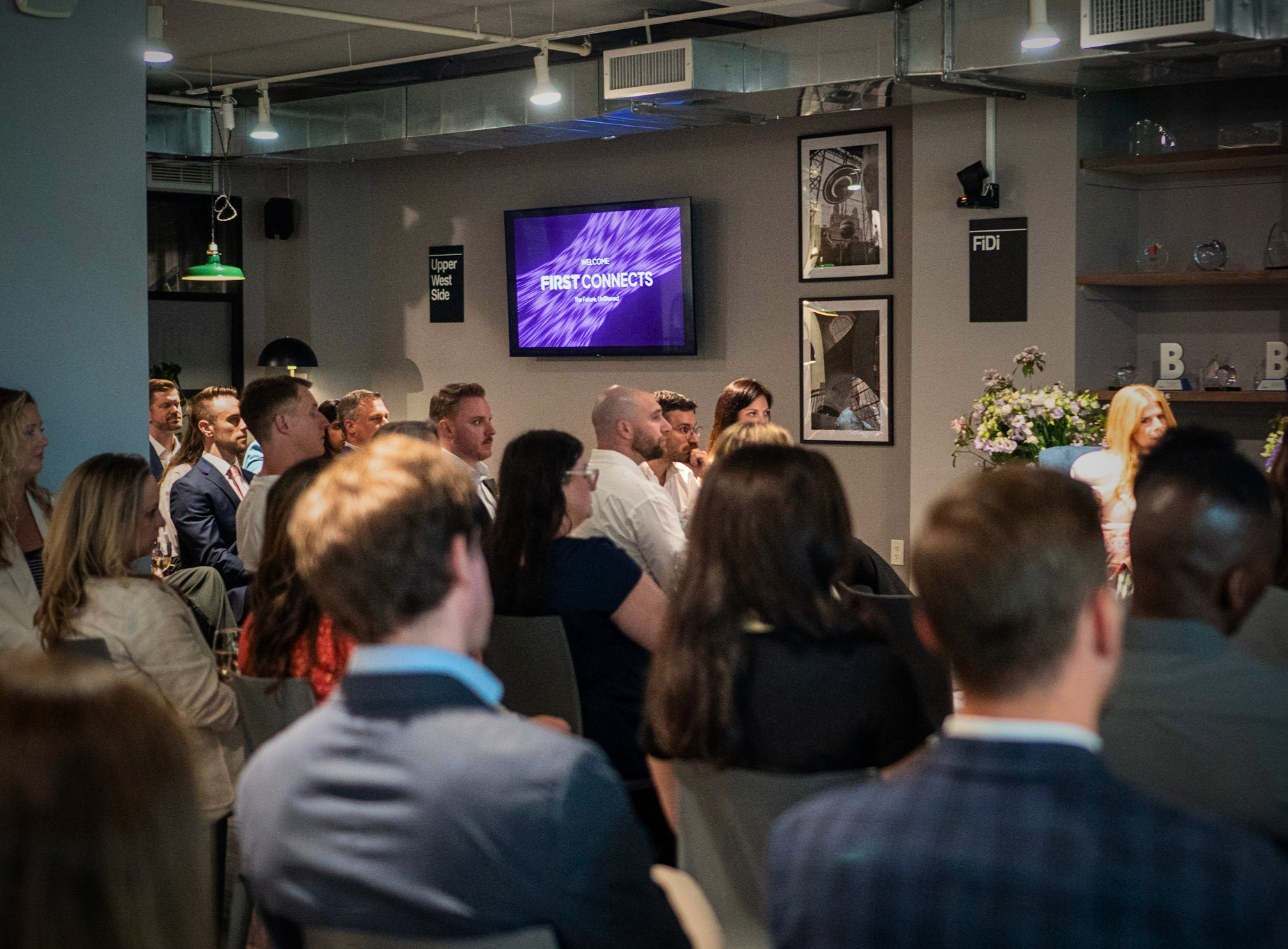
There was a moment during a recent edition of FIRST Connects: The Future, Unfiltered that captured the spirit of the evening.
What began as a conversation about AI quickly evolved into a broader discussion about leadership, creativity, human connection, and how organizations adapt in times of change.
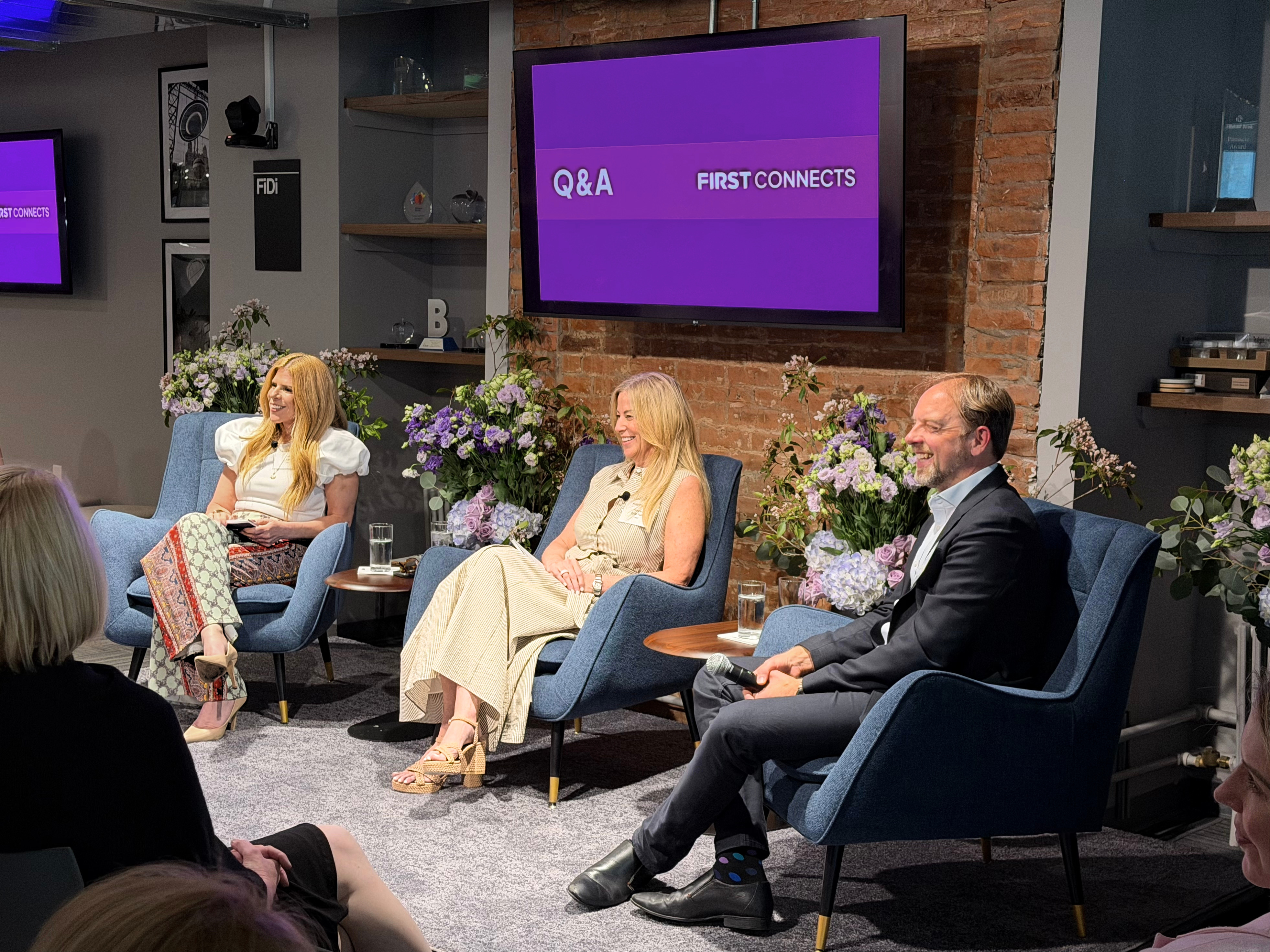
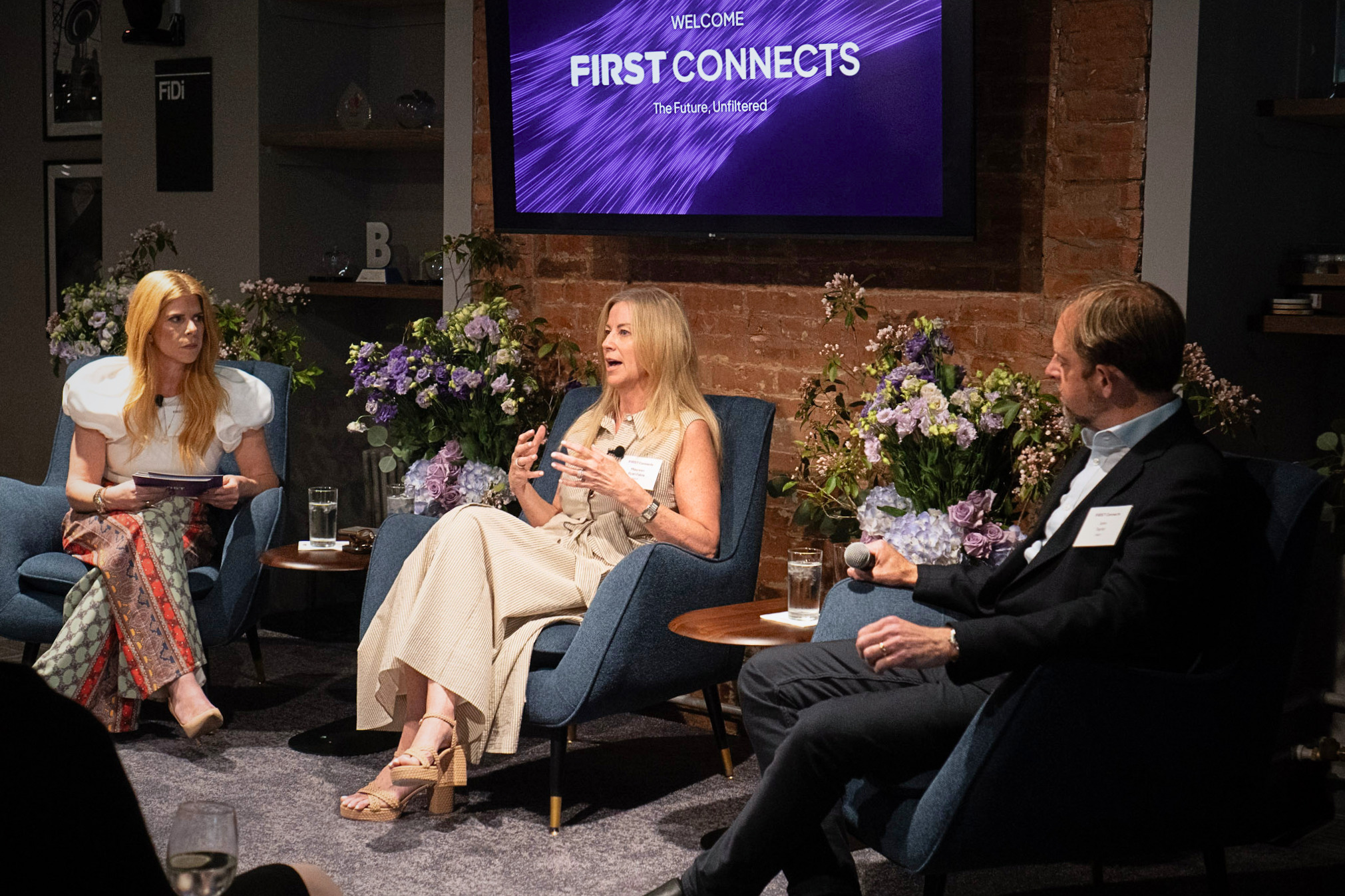
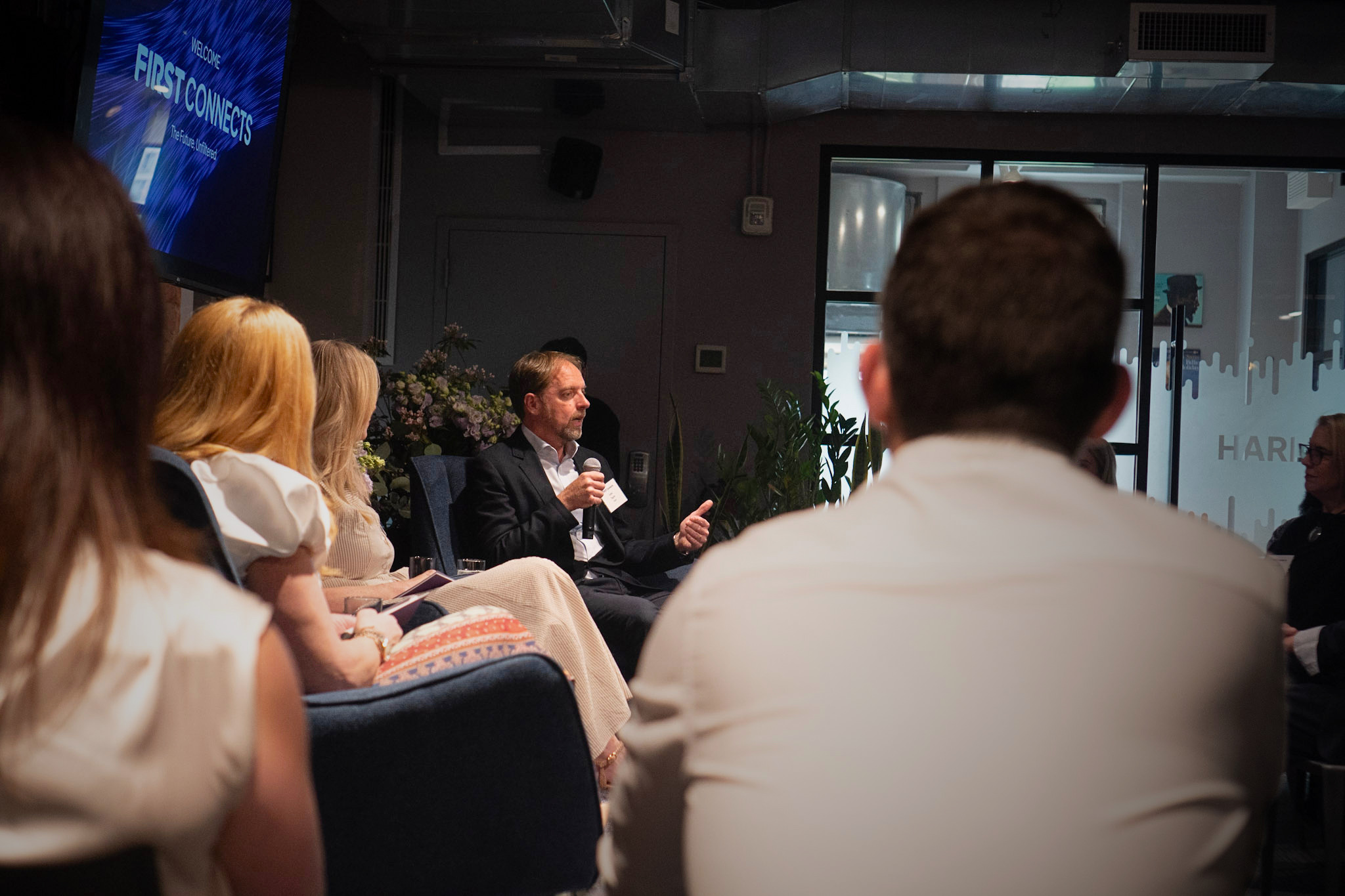
As FIRST Group CEO Maureen Ryan Fable, AI Advisor Dr. John Taylor, and moderator Jennifer Kauf explored the opportunities and realities of AI adoption, one theme emerged again and again:
The future belongs to organizations that are willing to learn, evolve, and embrace new possibilities.
AI is advancing at an extraordinary pace. New capabilities seem to emerge almost weekly, and organizations across every industry are working to understand what those developments mean for their people, processes, and future growth.
But as John pointed out during the discussion, the challenge is no longer simply access to AI. The tools are here, the capabilities are advancing quickly, and the bigger question is whether organizations are ready to adapt their people, processes, and ways of working to make those tools meaningful.
One of the most compelling ideas from the evening was that AI has the potential to elevate human value. As technology takes on more routine and repetitive tasks, the skills that become increasingly important are the ones machines can’t easily replicate: creativity, judgment, emotional intelligence, relationship-building, and strategic thinking.
Or, put another way: if everyone has access to the same AI tools, what makes you different?
For agencies, brands, and business leaders, that’s a powerful question.
The conversation also challenged one of the most common mistakes organizations make when approaching AI. Too often, the discussion begins with the technology itself. The more effective approach is to start with the challenge.
What are we trying to solve?
The most successful applications of AI tend to be surprisingly practical: removing friction, reducing repetitive tasks, and creating more time for the work that requires human judgment, creativity, and connection.
And that time matters. While AI may be changing how we work, it isn’t changing why people gather, connect, collaborate, and create experiences together.
In fact, one of the strongest themes from the evening was that as more interactions become digital, the value of human connection only increases. For an industry built on bringing people together, that’s an encouraging thought.
The discussion also explored a broader reality facing organizations today: every major shift creates new opportunities, new expectations, and new ways of creating value. AI is no exception.
The question isn’t how to avoid change. It’s how to embrace it thoughtfully.
So where does that leave us?
Perhaps with one of the clearest takeaways from the evening:
The organizations that thrive won’t necessarily be the ones with the most technology. They’ll be the ones that invest in their people, build adaptability into their culture, and remain open to new ways of working and creating value.
The conversation started with AI. But it quickly became a conversation about something bigger.
How organizations respond to change.
How leaders create momentum.
How teams evolve.
How value is redefined.
Technology will continue to change. The opportunity is deciding what we do with it.
Engage with FIRST